Source Multicolor Aluminium Pigeon Foot Ring for Bird ID, Racing, and Breeding
Compare 30 listings for multicolor aluminium pigeon foot ring options tailored for bird identification, racing management, and breeding programs. Evaluate specifications such as size, printing methods, and material quality to find the right fit for your livestock or poultry needs.
Key considerations
Products List


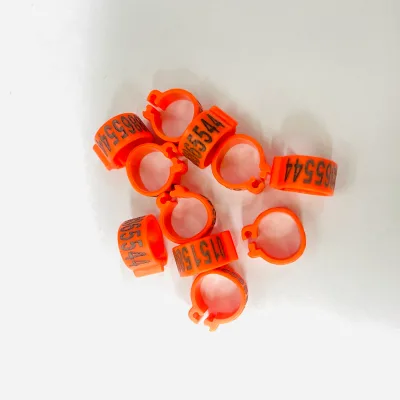
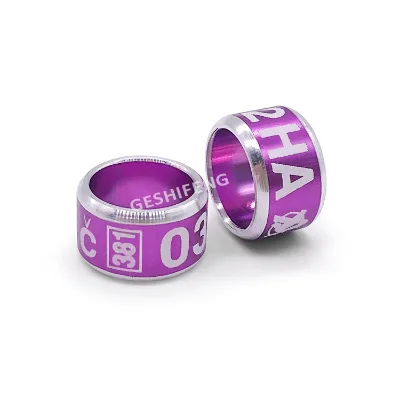
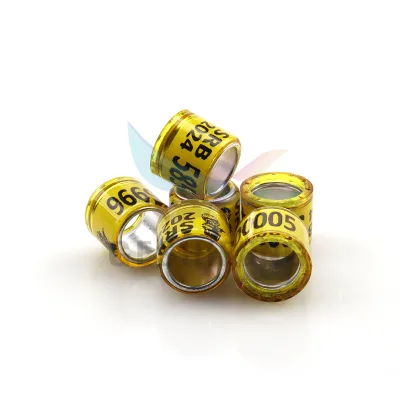
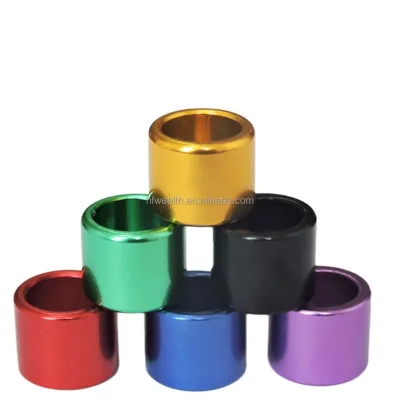
![[Color Aluminum Ring] Foot Ring, Carrier Pigeon Supplies, Marking Ring, Aluminum Multi-color Foot Ring, Closed Aluminum Ring](https://file.focusaim.com/api/image/preview/2f3b10e988a17ea801e4e1a724e634ee.png?bi=true&local=true)





Comprehensive Sourcing Guide
Multicolor Aluminium Pigeon Foot Ring Sourcing Guide
Buyers seeking multicolor aluminium pigeon foot rings must first distinguish between passive identification bands and active RFID-enabled tags, as the supplied data indicates both chipless and read-only chip variants exist in the market. The core product category includes circular rings designed for bird ID management, with specific models like the SEAT-P-01 and SAP02 offering distinct functional profiles for different flock sizes. Understanding whether the procurement need involves simple visual identification or automated data capture is the primary decision point before engaging with suppliers.
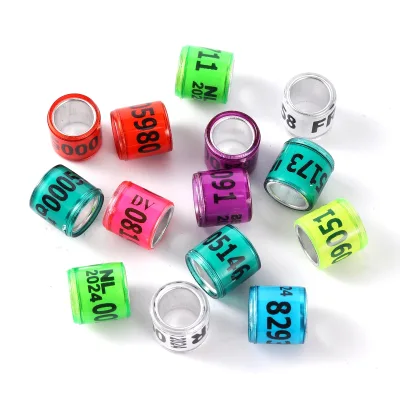
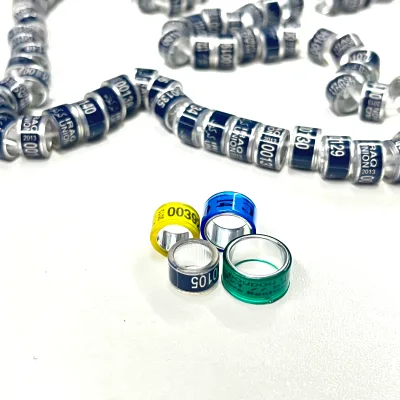
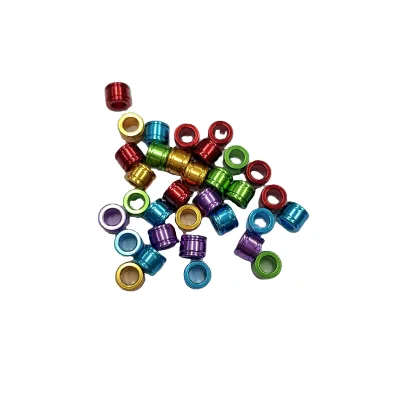
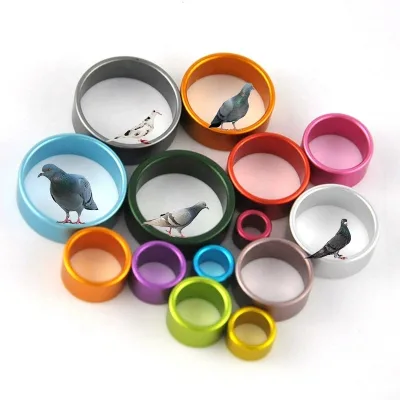
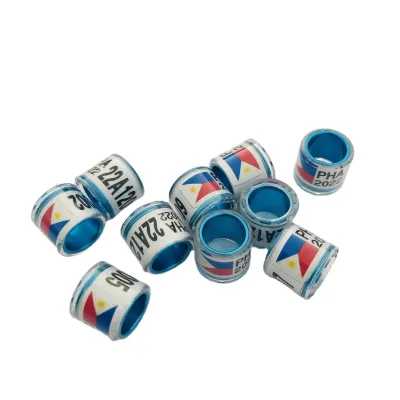
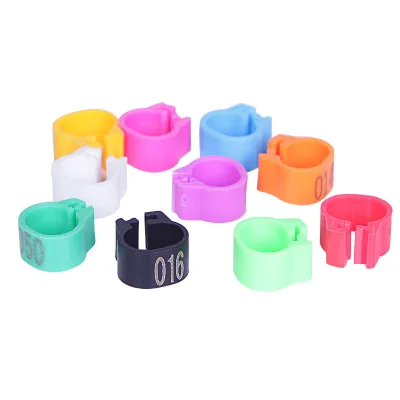
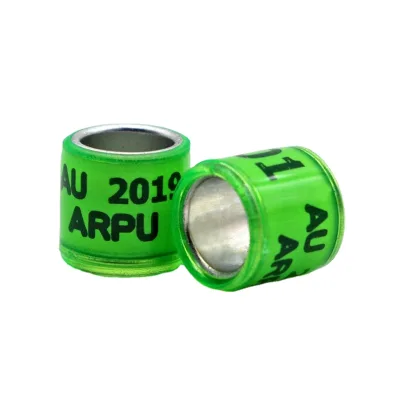
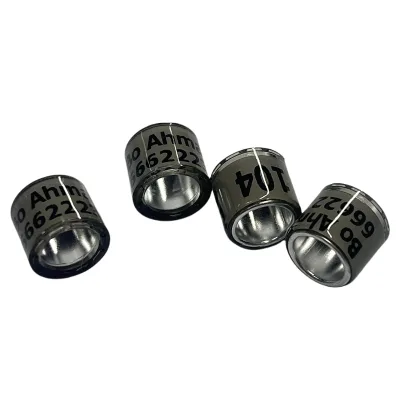
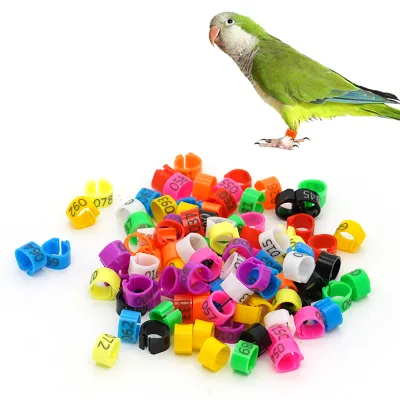
The observed product attributes reveal a strong emphasis on customization, with options for laser printing, logo application, and specific color selections such as yellow, silver, green, blue, and red. These rings are manufactured in Shenzhen, Guangdong, and typically feature a single weight of approximately 2g, though sizes range widely from 2mm up to 22mm depending on the bird species. Procurement teams should verify if the specific model number aligns with the intended bird size, as the listing signals a mix of standard aluminum foot rings and specialized RFID tags that require different handling and verification protocols.
Product Scope and Observed Listing Signals
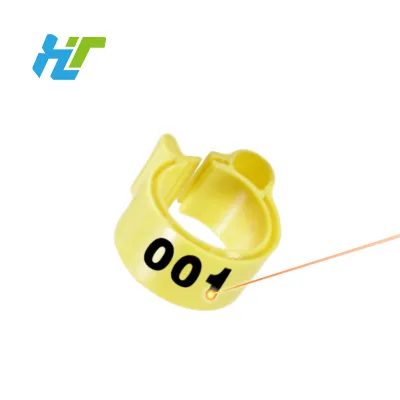
The market listing signals indicate a diverse range of product configurations, from basic aluminum rings with plastic foot rings to advanced RFID tags supporting protocols like ISO11784/785. Buyers should note that while some products are described as chipless, others explicitly list chip types such as Tk4100, Em4100, and Hitag, which dictates the necessary reader equipment for the buyer's management system. This variation requires a clear definition of the required technology stack before requesting quotes to avoid purchasing incompatible hardware for the intended bird management application.
Packaging and sample availability are critical logistical factors observed in the listings, with options ranging from 200 pieces per bag to 10,000 pieces per box, often with customized packing solutions available. Suppliers frequently offer free samples with freight collect, allowing buyers to physically verify the ring color, printing quality, and material thickness before committing to a bulk order. The observed MOQ range of 1 to 3000 units suggests flexibility for small-scale breeders, yet larger commercial operations should negotiate based on the specific volume requirements to optimize shipping costs and unit pricing.
Technical Specifications to Verify
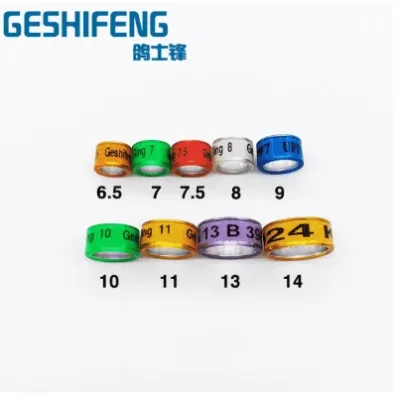
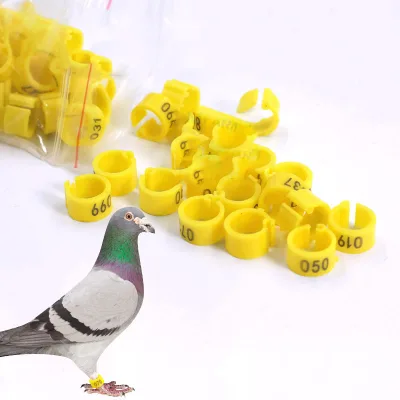
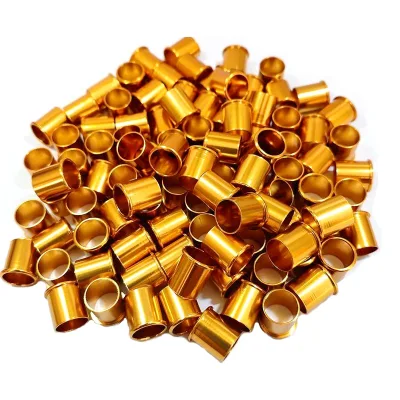
Verification of the physical dimensions is essential, as the observed size specifications vary from 2mm to 24mm, covering a broad spectrum of bird leg diameters. Buyers must confirm that the selected model number corresponds to the exact internal diameter required for the target bird species to ensure a secure fit that does not impede movement or cause injury. The material is consistently listed as aluminum, but the presence of plastic foot rings in some models suggests a composite design that may offer different durability or comfort characteristics compared to solid metal rings.
For RFID-enabled rings, the technical verification must extend to the chip type and frequency, with observed data pointing to 125kHz passive operation and read-only capabilities. The protocol support, specifically ISO11784/785, is a critical specification for international compliance and interoperability with standard livestock readers. Buyers should request test results or sample functionality checks to confirm that the read-write method functions as advertised, ensuring the tag can be reliably scanned in the field without signal interference or data loss.
Compliance and Safety Documentation
Compliance documentation is a primary requirement for international procurement, with observed certifications including RoHS, CE, ISO, and CCC appearing across various product listings. These certifications indicate that the manufacturing processes and materials adhere to specific environmental and safety standards, which is particularly important for products intended for use in food-producing livestock or export markets. Buyers should request valid certificates for the specific batch being ordered, as the presence of a certification on a general product page does not guarantee that every individual unit in a shipment meets the same standard.
Safety standards such as GMP and SGS are also mentioned in the context of these products, suggesting a focus on quality management and material safety. The usage of these rings extends beyond birds to other applications like bags, shoes, and jewelry, which implies a versatile manufacturing capability but requires specific validation for animal welfare. Procurement teams must ensure that the supplier can provide documentation proving the rings are non-toxic and safe for prolonged contact with the bird's skin, preventing any adverse health effects during the identification process.
Cost Drivers and Commercial Terms
The cost of multicolor aluminium pigeon foot rings is influenced by the complexity of the customization, including laser printing, logo application, and the inclusion of RFID chips. While the observed price range spans from $0.02 to $68, this wide variance reflects the difference between simple passive bands and active electronic tags, as well as the volume of the order. Buyers should analyze the unit price relative to the specific features required, understanding that higher customization levels and electronic components will significantly increase the base cost per unit.
Commercial terms such as payment methods including T/T, Paypal, and Western Union are standard, but the lead time and shipping arrangements require explicit negotiation. The observed packing options, such as 200 pieces per OPP bag or 1000 pieces per box, impact the total shipping volume and cost, which can be a significant factor for large orders. Buyers should clarify whether the quoted price includes freight or if it is an EXW or FOB term, as the supplier location in Shenzhen, China, necessitates careful calculation of logistics expenses to determine the true landed cost.
Supplier Qualification and Quality Control
Supplier qualification should focus on verifying the origin of the products, with most listings indicating production in Shenzhen, Guangdong, or Shen Zhen, China. Buyers must confirm that the supplier has a consistent track record of meeting the specified standards, such as CE, RoHS, and ISO, and that these certifications are current and applicable to the specific product line. It is advisable to request a factory audit or video tour to ensure that the manufacturing environment maintains the quality control necessary for producing precise, safe, and durable bird identification rings.
Quality control processes should be validated through sample testing, as the observed attributes include specific color options and printing methods that must be consistent across the entire order. The ability to provide customized packing and the availability of free samples are positive indicators of a supplier's flexibility and confidence in their product quality. Buyers should establish clear acceptance criteria for color accuracy, printing legibility, and ring dimensions before finalizing the contract to minimize the risk of receiving non-conforming goods that could compromise the bird management program.
Long-Term Procurement Checks
Long-term procurement success depends on establishing a reliable supply chain that can consistently meet volume demands and maintain product quality over time. Buyers should monitor the supplier's ability to adhere to the agreed-upon specifications, particularly regarding the size ranges and material consistency, as variations in aluminum quality or ring dimensions can affect the fit and safety of the identification bands. Regular communication and periodic quality audits are essential to ensure that the supplier continues to meet the evolving needs of the bird management operation.
The market for these products is dynamic, with new chip types and printing technologies emerging regularly. Buyers should stay informed about updates in RFID standards and material innovations to ensure their procurement strategy remains competitive and effective. Maintaining a relationship with a supplier who offers flexible customization and responsive customer service will allow for quick adjustments to product specifications as the flock size or management requirements change, ensuring a sustainable and efficient sourcing process.
FAQs
What sizes are available for multicolor aluminium pigeon foot rings?
Available sizes range from 2mm to 22mm, including specific options like 2, 2.5, 3, 3.5, 4, 4.5, 5, 5.5, and 6mm up to 22mm. These dimensions accommodate various bird leg sizes for accurate identification and management in avian care.
Can I get free samples of aluminium bird leg bands?
Yes, free samples are available for multicolor aluminium pigeon foot rings. However, the buyer is responsible for paying the freight charges. This allows you to verify quality and customization options before placing a larger bulk order with the supplier.
What certifications do these aluminum foot rings have?
These products typically hold RoHS, CE, ISO, and SGS certifications. Some listings also mention CCC compliance. These standards ensure the materials are safe and meet international quality requirements for manufacturing and export, providing assurance for bulk procurement orders.
How are the rings customized for printing?
Customization includes laser printing of numbers, letters, or logos on the aluminum surface. You can choose from colors like yellow, silver, green, blue, black, or red. The rings are designed for bird ID management, allowing personalized identification for each bird.
What is the typical packaging for aluminum pigeon rings?
Packaging options include 200 pieces per OPP bag or 1000 pieces per box. Some suppliers offer 200 pieces per bag with five bags in a carton. Customized packaging is also available to meet specific logistical or branding requirements for your shipment.
Are there RFID options for pigeon foot rings?
Yes, chipless and RFID options exist, with frequencies like 125kHz. Some tags use chips like TK4100 or EM4100 for read-only access. These passive rings support ISO11784/785 protocols, enabling electronic tracking and management for livestock or pigeon identification systems.